The Science Behind Baby Potties and Successful Toilet Training
Introduction:
Toilet training is a major milestone in a child's development, and many parents find it to be a challenging and frustrating process. However, understanding the science behind baby potties can make the transition much smoother and more successful. In this blog post, we will explore the reasons why baby potties are effective tools for toilet training and how they can help your child become diaper-free sooner rather than later.
1. Understanding Child Development:
Before diving into the science behind baby potties, it's important to understand the stages of child development that play a crucial role in toilet training. Children typically start showing signs of readiness for toilet training between 18 months and 3 years of age. This readiness is influenced by physical, cognitive, and emotional factors, including the ability to control their bladder and bowel movements, follow simple instructions, and communicate their needs effectively.
2. The Role of Baby Potties:
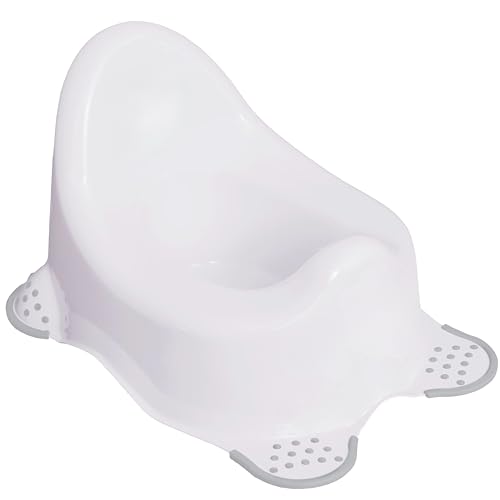
Baby potties are specially designed seats that allow young children to sit comfortably and safely while using the toilet. These potties come in various shapes, sizes, and designs to cater to different needs and preferences. The main advantage of using a baby potty is that it provides a sense of independence and control to the child, which is essential for successful toilet training.
3. The Science Behind Baby Potties:
When it comes to toilet training, baby potties can make a significant difference in the process. Here are some reasons why baby potties are effective tools for successful toilet training:
Physical Comfort: Baby potties are designed to be comfortable and ergonomic, making it easier for children to sit for longer periods without feeling uncomfortable or restless.
People Also Look For:
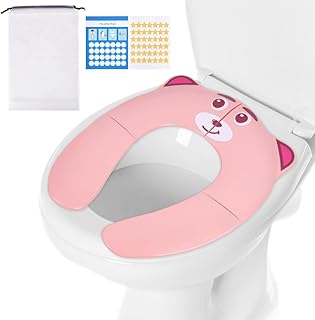
- Portable Potty for Toddler Travel, Foldable Toddler Toilet Seat Travel Potty Training Toilet for Boys Girls, Mobile Folding Toilet...
- Bambino Mio Eco Potty, Compact and Lightweight (Potty)
- Princess Polly\'s Potty: A Noisy Sound Book
- Potty Training Toilet Seat Portable Travel Potty for Toddlers 3-in-1 Chairs Baby Foldable WC Liners Detachable Reusable Outdoor an...
- Vital Baby Perfectly Simple Potty, Everyday Basic Potty Trainer, Ergonomic Seat Design for Ultimate Comfort, Non-Slip Base, Lightw...
Psychological Support: Baby potties provide a sense of security and familiarity to children, which can boost their confidence and motivation to use the toilet independently.
Visual Cues: Many baby potties come with bright colors, fun designs, and interactive features that can capture a child's attention and make the toilet training process more engaging and enjoyable.
4. Tips for Successful Toilet Training:
While baby potties play a crucial role in toilet training, there are several tips and strategies that can enhance the effectiveness of the process:
Consistency: Establish a consistent routine for toilet training, including regular bathroom breaks, praise for successful attempts, and gentle reminders for accidents.
Positive Reinforcement: Use positive reinforcement, such as stickers, treats, or praise, to motivate your child to use the potty and celebrate their progress along the way.
Patience: Toilet training is a gradual process that requires patience and understanding. Avoid pressuring or punishing your child for accidents, as this can create negative associations with the potty.
5. The Benefits of Early Toilet Training:
Early toilet training has numerous benefits for both children and parents. By using baby potties and starting the toilet training process at a younger age, you can:
Save Money: Eliminating the need for diapers can save you a significant amount of money in the long run, as well as reduce your environmental impact.
Promote Independence: Toilet training teaches children important life skills and promotes independence, confidence, and self-esteem.
Enhance Hygiene: Using the toilet independently can improve hygiene practices and reduce the risk of infections and skin irritations.
6. Conclusion:
In conclusion, the science behind baby potties is grounded in child development principles and psychological theories that support successful toilet training. By understanding the benefits of baby potties and implementing effective strategies, you can help your child make a smooth transition from diapers to the toilet. Remember to be patient, consistent, and supportive throughout the process, and celebrate every small milestone along the way. With the right tools and techniques, toilet training can be a positive and rewarding experience for both you and your child.