Potty Training Tips for Dads That Make a Difference
Potty training can be a daunting task for many parents, especially for dads who might feel less prepared compared to their counterparts. In 2026, the approach to potty training has evolved with new techniques and tools that can assist fathers in guiding their children through this crucial developmental stage. Understanding how to effectively support your child during this time can make a significant difference in the experience for both of you. This article provides practical tips and strategies that are specifically tailored for dads, ensuring that the potty training journey is both effective and enjoyable.
Understanding the Basics of Potty Training
Before diving into the tips, it is essential to understand the fundamentals of potty training. Most children are ready to begin potty training between the ages of two and three. However, readiness can vary significantly among children. Signs that your child may be ready include showing interest in adult bathroom habits, staying dry for longer periods, and expressing discomfort with dirty diapers. Recognizing these signals is the first step in initiating the potty training process.
Choosing the Right Time
Timing can greatly influence the success of potty training. Dads should look for a calm period in their child's life rather than a time of stress or major transitions, such as starting a new school or welcoming a new sibling. In 2026, many parents are opting for a more relaxed approach, waiting until their child shows clear signs of readiness rather than sticking to a strict schedule. This technique allows children to feel more in control, reducing anxiety and frustration.
Creating a Positive Environment
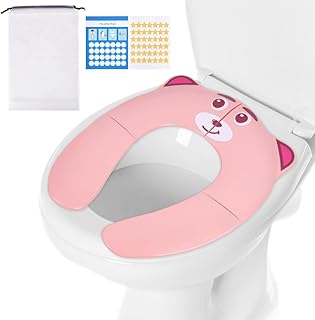
Establishing a supportive atmosphere can significantly enhance the potty training experience. Dads can create a positive environment by keeping the potty training process light-hearted and fun. Incorporating games, songs, or stories related to potty training can engage your child and make the experience less intimidating. Dads might consider using colorful potty training charts to track progress. These visual aids can motivate children to celebrate their achievements, reinforcing positive behavior.
Practical Tips for Potty Training Success
Implementing practical strategies can make a world of difference in the potty training journey. Here are several tips specifically tailored for dads that can lead to successful outcomes:
People Also Look For:
- Travel Potty Training Toilet Chairs 3-in-1 Toddler Potty Seat Portable Foldable WC Trainer Ring Seats Detachable Reusable Liner Su...
- Portable Potty for Toddler Travel, Foldable Toddler Toilet Seat Travel Potty Training Toilet for Boys Girls, Mobile Folding Toilet...
- Travel Potty for Toddlers, Portable Potty for Toddlers Foldable Kids Training Toilet Seat for Boys Girls Baby Carry Potty Children...
- Child Potty Training Chair for Boys and Girls, Handles & Splash Guard - Comfortable Seat for Toddler (Aqua)
- My Carry Potty Blush Pink Travel Potty, Award-Winning Portable Toddler Toilet Seat for Kids to Take Everywhere
- Be Consistent: Consistency is key in any training process. Establish a routine that includes regular potty breaks. This routine helps children recognize when it is time to use the potty.
- Use Encouragement: Positive reinforcement is crucial. Celebrate successes, no matter how small. Verbal praise, stickers, or small rewards can motivate children and encourage them to continue.
- Involve Your Child: Allow your child to choose their potty seat or underwear. This involvement gives them a sense of ownership and control over the process.
- Be Patient: Accidents will happen. It is essential for dads to remain calm and patient. Instead of expressing frustration, gently remind your child of the potty routine.
Utilizing Tools and Resources
In 2026, various tools and technologies can aid in potty training. From smartphone applications that track progress to interactive potty seats that play music or sounds, these innovations can engage children and make the process enjoyable. Dads should consider exploring these resources to find what resonates best with their child.
Communication is Key
Open communication is vital during potty training. Dads should encourage their children to express their feelings about using the potty. This dialogue fosters trust and helps children feel secure during a potentially stressful time. Asking questions like, “How do you feel about using the potty?†can open the door to discussions about their experiences and fears.
Handling Challenges During Potty Training
While potty training can be a rewarding experience, challenges are inevitable. Dads should be prepared to address common issues such as resistance or fear of the toilet. For instance, if a child is afraid of falling in, using a potty seat designed for their size can help alleviate fears. Additionally, if a child shows resistance, it may be beneficial to take a break and try again later. Understanding that every child is different and may require a tailored approach is crucial for success.
Dealing with Accidents
Accidents are a natural part of potty training. When they occur, it is important for dads to respond calmly. Instead of scolding, reassure your child that accidents happen and encourage them to try again next time. This approach fosters a positive learning environment and helps to reduce anxiety surrounding the process.
Maintaining a Balanced Approach
While it is essential to focus on potty training, maintaining a balanced approach to parenting is equally important. Dads should integrate potty training into the daily routine without making it the sole focus. Engaging in regular activities, such as playtime or reading, can help create a well-rounded environment that supports a child's overall development.
Emphasizing the Importance of Routine
Establishing a routine is a cornerstone of successful potty training. Dads should aim for a schedule that includes designated potty times, such as after meals or before bedtime. This predictability helps children understand when to expect potty breaks, making the process smoother. In 2026, many parents are embracing flexible routines that adapt to their child's needs, allowing for a more personalized approach.
Encouraging Independence
As children progress in their potty training journey, encouraging independence becomes crucial. Dads can support this by allowing children to dress themselves and manage their potty time with minimal assistance. This autonomy fosters confidence and reinforces positive behaviors. For instance, setting up a small stool can help children reach the toilet independently, promoting a sense of achievement.
Exploring Different Techniques
In 2026, various techniques and methods are available for potty training. Some dads may choose to adopt the three-day method, while others prefer a gradual approach. Each family will have unique preferences and circumstances, so it is essential to explore different techniques and find what suits the individual child best. Engaging with other dads or parenting groups can provide invaluable insights and shared experiences that can enhance your own