Comparing Training Potties for Boys and Girls
As parents navigate the journey of potty training, selecting the right training potty can significantly impact the experience for both boys and girls. In 2026, advancements in design and functionality have transformed training potties into tools that not only facilitate learning but also make the process enjoyable. This article delves into the various options available, comparing features tailored specifically for boys and girls, helping you make an informed choice for your child's potty training journey.
The Importance of Choosing the Right Potty
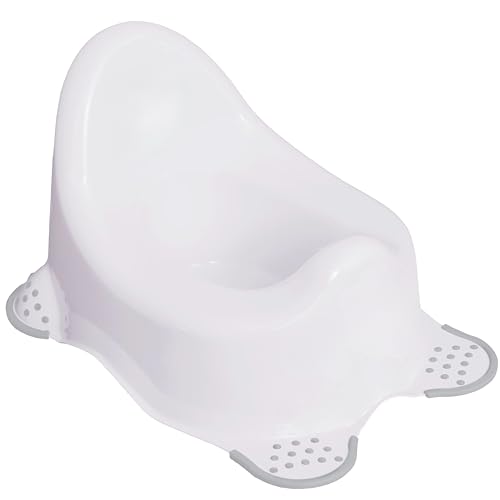
Choosing the appropriate training potty is vital for fostering independence and confidence in toddlers. In 2026, designers have focused on creating potties that cater to the unique needs of boys and girls. For instance, boys may require potties with splash guards to prevent messes, while girls might prefer designs that offer comfort and ease of use. This tailored approach ensures that each child can engage in potty training without unnecessary frustrations.
When considering a potty, parents should assess their child's comfort and accessibility. Potties with ergonomic designs are more likely to encourage toddlers to sit for longer periods, which can be beneficial during the initial stages of training. Additionally, many potties now incorporate fun colors or themes, making them more appealing to young children and encouraging enthusiasm for using them.
Features to Look for in Boys Training Potties
When selecting a training potty for boys, several essential features stand out. In 2026, the following attributes have become increasingly popular:
People Also Look For:
- BÉABA - Baby\'s Training Potty - Ergonomic Baby Potty - Non-slip - Hygienic - Easy care - Handgrips on the seat - Made In Fran...
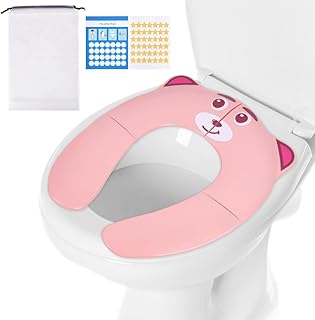
- Travel Potty for Toddlers, Potty Training Toilet Seat for Kids Boys Girls,Portable Foldable Potty with Potty Liners Storage Bag In...
- DOSBY Travel Potty for Toddlers. Portable, Foldable, Carry Potty for Toddlers. Boys and Girls. Fun Training with Potty Training Re...
- Jool Baby Products - Folding Travel Potty Seat for Boys and Girls, Fits Round & Oval Toilets, Non-Slip Suction Cups, Includes Free...
- JackLoveBriefs Baby Potty Training Pants Boys Girls Training Underwear Reusable (10 Pack)
- Built-in Splash Guards: Preventing messes is crucial during the early stages of potty training. Many potties come equipped with splash guards designed specifically for boys, reducing clean-up times.
- Adjustable Height: Some potties offer adjustable height settings, which can accommodate growing toddlers. This flexibility ensures that the potty remains functional as your child develops.
- Fun Themes: Potties featuring popular characters or vibrant colors can make the training process more engaging. Many brands have partnered with children's entertainment franchises to create themed potties that capture the interest of young boys.
For example, a potty designed like a race car can transform an ordinary training session into an exciting experience. This imaginative approach encourages boys to view potty training as a fun adventure rather than a chore.
Real World Scenarios
Consider a scenario where a father introduces his son to a new training potty that resembles his favorite superhero. Instead of feeling apprehensive, the boy is excited to use the potty, associating it with playtime. This positive reinforcement can lead to quicker adoption and success in potty training.
Features to Look for in Girls Training Potties
Similar to boys, girls also benefit from specific features in training potties. In 2026, parents should consider the following attributes:
- Comfortable Seating: It's essential for girls to have a potty that offers a comfortable seat. Many models feature ergonomic designs that promote proper posture during use.
- Easy Cleaning: With the inevitable accidents that occur during potty training, selecting a potty that is easy to clean is crucial. Look for removable bowls or surfaces that can be wiped down easily.
- Encouraging Designs: Potties that incorporate favorite colors or characters can motivate girls to use them. Bright designs combined with positive reinforcement techniques can create an inviting atmosphere.
Imagine a mother purchasing a potty adorned with colorful flowers and butterflies. The visual appeal not only excites her daughter but also encourages her to embrace the new routine with enthusiasm. This approach can lead to a smoother transition from diapers to using the toilet.
Real World Scenarios
In a real-world example, a mother shares her experience of introducing her daughter to a training potty that features a popular princess theme. The little girl is eager to use her special potty, viewing it as a rite of passage. This sense of ownership can significantly enhance a child's motivation to succeed in potty training.
Comparative Analysis of Training Potties
When comparing training potties for boys and girls, it's essential to evaluate various factors, including functionality, design, and ease of use. In 2026, many brands have emerged with innovative solutions that cater to these unique needs.
- Functionality: Assess how well each potty performs its primary function. Does it prevent spills? Is it easy for toddlers to use independently?
- Design: Consider the aesthetic appeal of the potty. Does it attract your child's attention? Are the colors and themes engaging?
- Ease of Use: Evaluate how simple it is for your child to sit on and get off the potty. Is it stable enough to prevent tipping over during use?
Throughout 2026, many parents have found success with potties that provide clear visual cues for usage, such as built-in indicators or sound effects that reward successful attempts. These features not only enhance the experience but also encourage children to participate eagerly.
Additionally, transitioning from a training potty to a regular toilet is a significant step in the potty training journey. Many potties in 2026 are designed to convert easily or come with removable seats that fit standard toilets, making this transition smoother for children.