Potty Training Essentials for New Parents in 2026
Potty training can be a daunting milestone for new parents in 2026. With the right knowledge and resources, parents can navigate this essential phase with confidence. Understanding the latest tools, techniques, and approaches will ensure a smoother transition for both parents and their children. This article outlines the best practices and products available in 2026 that are designed to support parents during this critical time.
Understanding Readiness for Potty Training
In 2026, recognizing the signs of readiness for potty training is crucial. Children typically show readiness between ages two and three, but each child is unique. Signs to look for include staying dry for longer periods, showing interest in adult bathroom habits, and expressing discomfort in dirty diapers. Parents should observe their child's behavior and readiness signals before starting the training process.
For example, if a child begins to express curiosity about the toilet or asks about it, this can be an excellent cue that they are ready to begin potty training. Parents should also consider their child’s physical development, including the ability to pull pants up and down independently. In 2026, many apps and resources can assist parents in tracking readiness signs and providing personalized advice based on their child's progress.
Choosing the Right Tools and Products
When it comes to potty training tools, parents have more options than ever in 2026. The selection of training toilets and accessories plays a significant role in making the process engaging and effective. Consider investing in a child-friendly potty that complements the bathroom's decor and is comfortable for the child. Many brands now offer potties with fun designs and features that make the experience enjoyable.
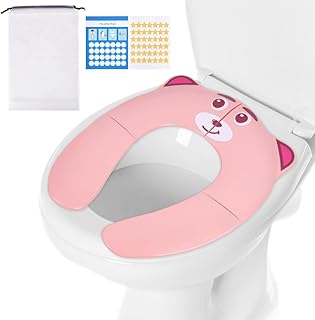
In addition to potties, potty training seats that fit over regular toilets are popular as they encourage children to use the toilet like adults. These seats often come with added safety features, such as anti-slip designs and easy-to-clean materials. Some parents might even opt for a combination of both methods to see which their child prefers. The use of colorful, interactive toilet training books or videos is also recommended to engage children and facilitate understanding of the process.
People Also Look For:
- Venture Pote Plus (Grey) Interactive Potty Training Toilet - Award Winning Childrens Potty with Lights & Sounds, Removable Inner T...
- Baby Potty Toilet Potty Training Seat with Handles/Foot Stool/High Back Support, Foldable Portable Potty Chair with Night Light Gu...
- Jool Baby Portable Potty Training Chair with Travel Bag and 30 Liners, Foldable, Indoor/Outdoor Use, Camping (Pink)
- BÉABA - Baby\'s Training Potty - Ergonomic Baby Potty - Non-slip - Hygienic - Easy care - Handgrips on the seat - Made In Fran...
- Potty Training Chair for Kids - Stable & Safe Oval Bottom Design - Non Slip Travel Potty for Toddlers
Interactive Apps and Digital Tools
In 2026, technology has made its way into potty training, offering parents innovative solutions. Many apps are available that provide step-by-step guidance, track progress, and even reward systems to encourage children. These apps often include fun animations and engaging characters that motivate children to participate actively in their training.
For example, parents can set up milestones within the app that reward their child with virtual stickers or points for successfully using the potty. This gamified approach can significantly enhance a child's willingness to engage in the process. Additionally, some apps provide reminders for parents about when to encourage bathroom visits, making it easier to establish a consistent routine.
Creating a Positive Environment
Establishing a positive potty training environment is essential in 2026. Positive reinforcement is one of the most effective strategies for encouraging children during this phase. Praising children for their efforts, regardless of the outcome, fosters confidence and reduces anxiety. Parents should celebrate small victories, such as sitting on the potty, even if no results occur. This can be done through verbal praise, small rewards, or even a fun dance to make the experience enjoyable.
It is also beneficial to create a routine around potty visits. Regularly scheduled bathroom breaks can help children understand when it is time to use the potty. For instance, parents might implement a system where they take their child to the potty after meals or before bed. Consistency helps reinforce the habit and allows the child to develop a natural rhythm.
Addressing Challenges During Potty Training
Many parents face challenges during potty training, and in 2026, it is crucial to approach these challenges with patience and understanding. Accidents are a normal part of the training process, and parents should remain calm and supportive. If a child resists using the potty or experiences setbacks, parents should avoid punishment or negative reactions, as these can create anxiety and lead to further resistance.
Instead, parents can try different approaches, such as changing the potty they use or modifying their training schedule. For example, some children may respond better to a potty training schedule that allows for more frequent breaks, while others may thrive on a more relaxed approach. Keeping an open line of communication with the child can also help parents gauge their feelings and preferences during this process.
Leveraging Community Support
In 2026, online parenting communities and social media platforms offer valuable support for new parents navigating potty training. Engaging with other parents can provide insights, tips, and encouragement. Many platforms feature forums where parents share their experiences, successes, and challenges. These discussions can be invaluable for gaining new perspectives and discovering innovative solutions that may work for their child.
Support groups, both online and in-person, can also be a great resource. Parents can share stories and strategies, building a network that fosters confidence and cooperation. In addition, many local parenting organizations offer workshops on potty training, where experts provide personalized advice and support for families.