The Dos and Donts of Potty Training with Baby Potties
The Dos and Don'ts of Potty Training with Baby Potties
Potty training can be a challenging time for both parents and toddlers. It’s a big milestone in your child’s development, but it can also be a frustrating process. However, with the right tools and techniques, potty training can be a smoother experience for everyone involved. Baby potties are a popular choice for many parents when it comes to potty training their little ones. They are convenient, portable, and can help make the transition from diapers to using the toilet easier. In this blog post, we will discuss the dos and don’ts of potty training with baby potties.
The Dos:
1. Start at the right time: It’s important to wait until your child is ready for potty training. Signs that your child may be ready include showing interest in the toilet, being able to stay dry for longer periods, and being able to communicate when they need to go.
2. Make it fun: Potty training doesn’t have to be a chore. Make it a fun and positive experience for your child by using stickers, rewards, and praise when they successfully use the potty.
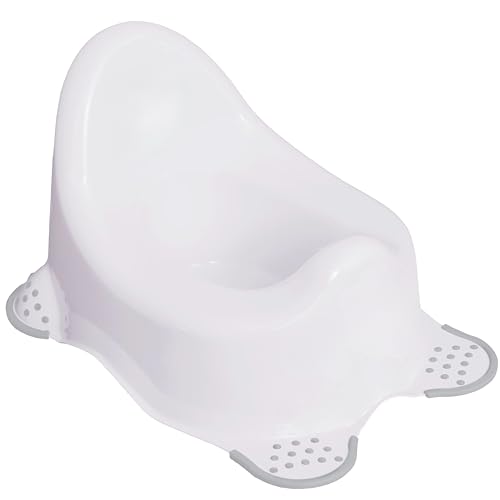
3. Use a baby potty: Baby potties are smaller and more comfortable for little ones to use. They can also be placed in any room in the house, making it easier for your child to access when they need to go.
People Also Look For:
- Potty Training Toddler Toilet,Baby Potty Chair for Kids Boys Girls,Portable Potty Toddlers Toilet Seat Potties Trainer with Lid Sp...
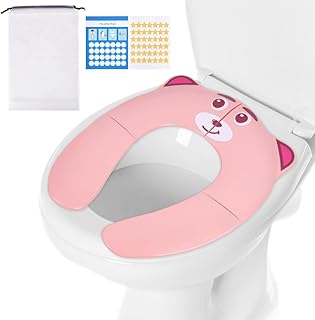
- Travel Potty for Toddlers, Potty Training Toilet Seat for Kids Boys Girls,Portable Foldable Potty with Potty Liners Storage Bag In...
- Spark Moments Portable Potty for Toddler Travel Foldable Portable Potty for Baby Kids Potty Chair Seat Indoor Outdoor Easy to Carr...
- KING KARAN® New Potty Toilet Seat Adjustable Baby Toddler Kids Toilet Trainer with Step Stool Ladder for Boy and Girl (Green)
- BÉABA - Baby\'s Training Potty - Ergonomic Baby Potty - Non-slip - Hygienic - Easy care - Handgrips on the seat - Made In Fran...
4. Be patient: Potty training takes time and accidents will happen. It’s important to remain patient and calm throughout the process. Encourage your child and reassure them that it’s okay to make mistakes.
5. Set a routine: Establishing a potty training routine can help your child get into the habit of using the potty. Encourage them to sit on the potty at regular intervals, such as after meals or before bed.
The Don’ts:
1. Don’t force it: Potty training should be a positive experience for your child. If they are resistant or not ready, don’t force them to use the potty. It’s important to wait until they are ready to make the transition.
2. Don’t shame or punish: Accidents are a normal part of the potty training process. It’s important not to shame or punish your child for having accidents. Instead, offer encouragement and support to help them learn.
3. Don’t rush: Potty training is a big milestone, but it’s important not to rush the process. Every child is different and will progress at their own pace. Be patient and allow your child to take their time.
4. Don’t make it a negative experience: Potty training can be a challenging time, but it’s important to keep a positive attitude. Avoid making potty training a negative experience for your child by staying positive and encouraging throughout the process.
5. Don’t give up: Potty training can be frustrating at times, but it’s important not to give up. Stay consistent with your approach and continue to encourage and support your child as they learn this new skill.
In conclusion, potty training with baby potties can be a positive and successful experience when approached with patience, consistency, and positivity. By following the dos and avoiding the don’ts outlined in this blog post, you can help your child transition from diapers to using the toilet with ease. Remember, every child is different, so it’s important to be flexible and adapt your approach to suit your child’s needs. Happy potty training!