Secret Techniques to Encourage Potty Independence
Potty independence is a crucial milestone in early childhood development. In 2026, parents and caregivers are seeking innovative and effective strategies to help children transition from diapers to using the toilet independently. This article explores various techniques that can foster confidence and competence in young children, making the potty training process smoother and more enjoyable.
Understanding Potty Independence
Potty independence refers to a child’s ability to recognize their bodily needs and respond appropriately without the assistance of adults. This skill is not only about using the toilet but also involves understanding when to go, maintaining hygiene, and managing clothing. In 2026, the emphasis is on a child-centered approach that respects their individual readiness and emotional state.
Research has shown that children who are involved in the potty training process tend to have greater success. Engaging children in discussions about their bodily functions can demystify the experience and empower them. For instance, using age-appropriate language and encouraging questions can foster curiosity and reduce anxiety related to potty training.
Creating a Positive Environment
The environment in which potty training occurs plays a vital role in encouraging independence. In 2026, creating a positive and supportive atmosphere is essential. Consider these approaches:
- Celebrate small successes: Every time a child uses the toilet successfully, celebrate it. This positive reinforcement can motivate them to continue.
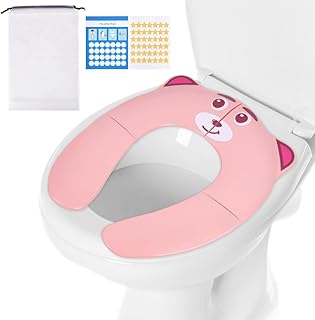
- Provide child-sized equipment: Use a potty chair or seat that fits the child's size. This encourages comfort and confidence.
- Establish a routine: Regularly scheduled potty breaks can help children recognize their body’s cues.
For example, a parent can set aside specific times during the day when the child is encouraged to try using the toilet. This routine helps children anticipate when they might need to go and reduces anxiety surrounding the process.
People Also Look For:
- Amazing Tour Potty Training Toddler Toilet Seat Kids Chair - 2 in 1 Foldable Baby Potty Infant Kids Toilet Chair Portable Training...
- Jool Baby Products - Child Potty Training Chair for Boys and Girls, Handles & Splash Guard - Comfortable Seat for Toddler (Pink)
- Adjustable Potty Ladder Seat for Toilet Training with Steps, Handle & Soft Cushion Design Non Slip & Space Efficient Toddlers & Ch...
- Foldable Baby Kids Potty Toilet Training Seat, Travel Portable Folding Potty Toddler Toilet Seat for Toddlers, Foldable Toilet Sea...
- Potty Training Toilet Seat 3-in-1 Portable Travel Potty for Toddlers Foldable WC Baby Trainer Ring Seats Detachable Reusable Liner...
Utilizing Engaging Tools
In 2026, technology offers a variety of tools to assist in potty training. These include apps designed for tracking progress and rewards systems that engage children effectively. Here are some tools that can be beneficial:
- Potty training apps: These interactive applications can help children learn about potty use through games and characters they enjoy. Progress tracking can also motivate children.
- Reward charts: A visual representation of their progress can be very encouraging. Children can add stickers or marks each time they successfully use the toilet.
- Storybooks: Reading potty training-themed books can provide relatable scenarios and normalize the experience.
For instance, when a child sees their favorite character successfully using the toilet, it can reduce fear and inspire them to try it themselves. Incorporating storytelling into the potty training process can also create memorable experiences that reinforce learning.
Encouraging Responsibility
Teaching responsibility is a key aspect of fostering potty independence. In 2026, parents are encouraged to involve children in the process of maintaining their hygiene. This can include:
- Encouraging handwashing after potty use: Teaching children the importance of hygiene reinforces the idea that using the toilet is a part of a larger routine.
- Choosing their underwear: Allowing children to pick out their underwear can create excitement and a sense of ownership over their potty training journey.
- Helping with clean-up: If accidents occur, guiding the child through the cleanup process can help them understand the importance of responsibility without punishment.
By making children active participants in their potty training, they develop a sense of pride and accomplishment, further motivating them to achieve independence.
Recognizing Readiness Signs
Every child is different, and understanding the signs of readiness is crucial in 2026. Parents should look for indicators that their child is prepared to begin potty training, such as:
- Staying dry for longer periods: If a child can remain dry for several hours, it may indicate that they are ready to start.
- Expressing interest in using the toilet: Children who show curiosity about bathroom habits are often more eager to learn.
- Discomfort with dirty diapers: If a child starts to show signs of discomfort with a wet or soiled diaper, it may be time to transition.
In these scenarios, parents can take the opportunity to discuss the next steps and provide encouragement. For example, a parent can say, "I see you are staying dry longer. Would you like to try using the potty today?" This approach promotes a sense of partnership and support.
Incorporating Play into the Learning Process
Play is an essential part of childhood, and integrating it into potty training can make the process enjoyable. In 2026, utilizing play-based learning techniques can yield positive results. Here are some ideas:
- Potty training games: Create simple games that involve pretending to use the potty or role-playing scenarios.
- Fun songs: Singing catchy potty training songs can make the experience memorable and entertaining.
- Interactive toys: Consider using dolls or action figures that can demonstrate potty use during playtime.
These playful approaches help children associate using the toilet with fun experiences, making them more likely to embrace the process. For example, a parent might create a song about using the potty that the child can sing while they try it themselves.
Building Confidence Through Peer Interaction
In 2026, peer interaction can significantly impact a child's development, including potty training. Arranging playdates with other children who are also learning can provide motivation and support. Observing peers who are successfully using the toilet can inspire children to follow suit. Parents can facilitate this by:
- Setting up playdates: Encourage interactions with friends or siblings who are potty trained.
- Sharing success stories: Discussing positive experiences from other children can motivate a child.
- Encouraging group activities: Participating in group activities that involve bathroom breaks can normalize the experience.
In these situations, children may feel less isolated in their learning journey. When they see their peers engaging in similar experiences, they often feel encouraged to participate as well. This social aspect of potty training can foster camaraderie and reduce anxiety.