Make Potty Training Fun for Your Child in 2026
Potty training can be a challenging milestone for both children and parents. In 2026, the approach to making this important transition enjoyable has evolved significantly. By incorporating fun activities and positive reinforcement, parents can create an engaging environment that encourages their little ones to embrace this new skill. This article explores innovative strategies and techniques for making potty training a delightful experience for your child.
Understanding the Potty Training Journey
Every child is unique, and the journey of potty training varies from one child to another. In 2026, experts recommend starting the process when your child shows signs of readiness, which typically occurs between two and three years of age. Recognizing these signs is crucial. Look for cues such as your child expressing discomfort with dirty diapers, showing interest in adult bathroom habits, or even wanting to wear underwear. By understanding the potty training journey, parents can tailor their approach to meet their child’s individual needs.
The Importance of a Positive Mindset
Creating a positive mindset around potty training is essential. In 2026, parents are encouraged to maintain a supportive and encouraging environment. Celebrate small victories, such as sitting on the potty or successfully using it. Acknowledgment can be as simple as high-fives or verbal praise. By fostering a positive atmosphere, children are more likely to approach potty training with excitement rather than fear or reluctance.
Engaging Techniques to Make Potty Training Fun
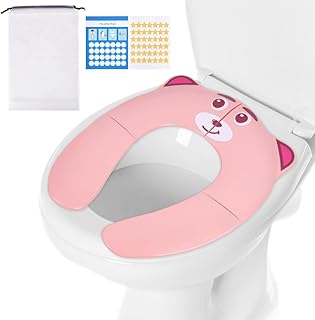
Making potty training fun is key to success. In 2026, there are numerous engaging techniques that parents can implement to keep their child entertained throughout the process. One effective approach is to incorporate themed potty training materials. For instance, using fun stickers, colorful charts, and character-themed underwear can make the experience more appealing. Children love visual rewards, and tracking progress on a chart can help them feel a sense of accomplishment.
People Also Look For:
- Potty Toilet Potties Training Chair Baby Kids Boys Girls Toddler Dinosaur Urinal Pot Comfortable Children 1-6 Year Old Childrens I...
- Polar Bear Potty Training Baby Toddler Toilet Seat Potty Toilet with Splash Guard, Polar Bear Potties Kids Potty Trainer with Pott...
- Potty Training Toddler Toilet,Baby Potty Chair for Kids Boys Girls,Portable Potty Toddlers Toilet Seat Potties Trainer with Lid Sp...
- Portable Potty Seat, Kids Folding Training Toilet Chair Travel Potty Indoor Outdoor with Storage Travel Bag, Toddler Toilet Seat f...
- DIVCHI Baby Potty Training Seat for Boys & Girls Toddler Toilet Trainer Chair with Non-Slip Base Removable Bowl & High Back Rest (...
Interactive Potty Training Games
Incorporating interactive games into potty training can transform the experience. Games such as “Potty Time Bingo†or “Potty Training Scavenger Hunt†can make learning enjoyable. For example, parents can create a bingo card featuring various potty-related activities. When children complete a task, they can mark it off. This method not only makes the process fun but also reinforces their understanding of the steps involved in using the potty.
- Potty Time Bingo: Create a bingo card with activities like sitting on the potty, flushing, and washing hands.
- Potty Training Scavenger Hunt: Hide potty-related items around the house and have your child find them.
- Potty Dance: Create a silly dance that your child can do after using the potty successfully.
These playful activities encourage children to participate actively in their potty training journey.
Utilizing Technology for Potty Training
In 2026, technology plays a significant role in the potty training process. Numerous apps and interactive videos are designed to educate and entertain children while they learn. These digital resources often feature fun characters and stories that resonate with young children. For instance, an app might include a virtual potty that children can use in a game format. When they successfully complete tasks, they earn rewards or unlock new levels. This gamification of potty training can significantly increase motivation and excitement.
Choosing the Right Potty
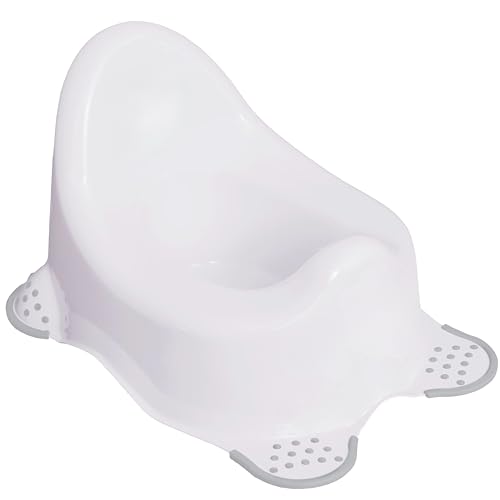
Selecting the appropriate potty is another critical factor in making the training process enjoyable. In 2026, various innovative designs are available that cater to children's preferences. Some potties feature fun sounds or lights that activate when used. Others come in exciting shapes or themes that appeal to children’s imaginations. Allowing your child to participate in choosing their potty can enhance their enthusiasm and sense of ownership. Take them shopping for options and let them pick one that they find appealing.
Positive Reinforcement and Rewards
Positive reinforcement remains a cornerstone of effective potty training. In 2026, parents are encouraged to establish a reward system that motivates their child. This can include small incentives for each successful use of the potty. Consider using a reward jar filled with small toys or treats. When your child achieves a milestone, they can select a reward from the jar. This tangible recognition can make the entire experience much more enjoyable and less of a chore.
Incorporating Storytelling
Storytelling is a powerful tool in making potty training relatable and fun. In 2026, parents can utilize books and stories that focus on potty training themes. Reading stories about characters going through similar experiences can help normalize the process for your child. Many children’s books feature illustrations and narratives that engage young readers while imparting valuable lessons about using the toilet. Reading together not only reinforces learning but also strengthens the bond between parent and child.
Creating a Routine
Establishing a consistent routine is essential for successful potty training. In 2026, parents are advised to create a schedule that includes regular potty breaks throughout the day. This helps children understand that using the potty is a routine part of their day. Incorporating these breaks into daily activities such as after meals or before bedtime can help signal to your child when it is time to use the potty. Consistency is key, and by maintaining a routine, children are more likely to develop the habit of using the toilet regularly.
As you embark on this journey, remember that patience is fundamental. Every child learns at their own pace, and while some may quickly adapt, others may take longer. By employing these engaging strategies, you can make potty training a fun and memorable experience for your child. This 2026, embrace the adventure of potty training and enjoy each moment of growth and learning together.