Essential Insights for Baby Potty Enthusiasts in 2026
The world of baby potty training has evolved significantly in recent years, and as we approach 2026, parents are increasingly seeking informed guidance on this critical aspect of early childhood development. With a plethora of options available, from traditional potty chairs to innovative training systems, it is imperative for parents to be well-versed in the latest trends and techniques. This article aims to provide essential insights for baby potty enthusiasts navigating this often challenging journey.
The Importance of Timing
One of the foremost considerations in successful potty training is timing. Experts in child development suggest that the ideal age to begin potty training typically falls between eighteen months and three years. However, every child is unique, and readiness can vary. Signs of readiness may include showing interest in the bathroom habits of others, staying dry for extended periods, and expressing discomfort with dirty diapers. In 2026, parents are encouraged to observe their child's behaviour closely to identify the right moment to commence training.
Choosing the Right Equipment
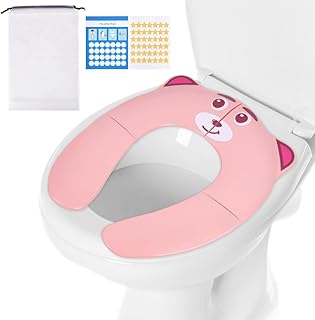
The market has seen a surge in innovative potty training products designed to ease the transition from diapers to the toilet. In 2026, parents can choose from a range of options, including portable potties, toilet training seats, and even smart devices that track progress and offer incentives. When selecting equipment, it is crucial to consider both comfort and accessibility. A potty chair that is too high or uncomfortable may deter a child from using it regularly. Additionally, investing in equipment that aligns with the child's preferences can foster a positive association with potty training.
People Also Look For:
- 4 in-1 Potty Training Toilet, Foldable Baby Travel Potty with 20 Disposable Potty Liners Carry Bags, Portable Potty Training Seat ...
- DOLU XL Educational Potty – Comfortable & Easy-to-Use – Eco Green – Perfect for Potty Training Toddlers
- Bear Potty Training Seat, Upgrade 2 in 1 Toddler Toilet Seat,Splash Guard Anti-Slip Pad Step Stool,Grey
- Pejoye Potty Toilet Training Seat, Blue Portable Potty Training Toilet Seat for Boys and Girls, Foldable Travel Toddler Toilet Sea...
- Potty Training Seat Folding Toilet: Portable Toilet Seat for Toddlers, Perfect Travel Baby Toilet Training Seat Washable with Non-...
Positive Reinforcement and Encouragement
Behavioural experts underscore the value of positive reinforcement during the potty training process. In 2026, successful parents often employ reward systems that motivate children to use the potty. This could include stickers, small treats, or verbal praise. Such techniques are designed to create a sense of achievement and encourage repeat behaviour. It is vital to focus on the child's efforts rather than perfection, as accidents are a natural part of the learning process. By fostering a supportive environment, parents can greatly enhance their child's confidence in mastering this skill.
Understanding Common Challenges
No journey is without its hurdles, and potty training is no exception. In 2026, parents should be prepared to encounter common challenges such as regressions, resistance, and anxiety. Regressions may occur due to changes in routine, such as starting preschool or welcoming a new sibling. It is essential for parents to remain patient and understanding during these times, reassuring their child that it is normal to have setbacks. Resistance may manifest as refusal to use the potty or express discomfort. In such cases, it is advisable to take a step back and allow the child to regain interest at their own pace. Addressing any feelings of anxiety is equally important; creating a relaxed atmosphere around potty training can alleviate stress for both the child and the parent.
The Role of Technology
As we progress into 2026, technology continues to play an increasingly significant role in parenting. Several apps and devices designed for potty training are now available, offering tracking features and interactive games that engage children. These tools can provide both parents and children with a structured approach to potty training. However, it is essential to strike a balance between utilising technology and maintaining personal interaction. While technology can be a helpful adjunct, the foundational aspects of potty training remain rooted in communication and connection between parent and child.
Social Influences and Potty Training Trends
The influence of social media and parenting forums cannot be overlooked in the context of potty training. In 2026, many parents turn to online communities for advice, sharing experiences and tips that contribute to a collective understanding of effective strategies. This sharing of information can lead to trends that shape how families approach potty training. Additionally, cultural norms surrounding potty training can vary significantly, and parents should consider these factors when determining their approach. Engaging with diverse perspectives can enrich one's understanding and may inspire new methods that resonate more with the child's personality.