Choosing the Best Potty for Your Little One in 2026
Potty training is a significant milestone in a child's development, and choosing the right potty can set the stage for success. In 2026, parents have a myriad of options, making the selection process both exciting and daunting. Understanding the different types of potties available, their features, and how they align with your child's needs can help you make the best decision. This article will guide you through the essential factors to consider when choosing a potty for your little one.
Types of Potties Available in 2026
In 2026, several types of potties are available, each designed to cater to different preferences and needs. The most common types are traditional potties, potty seats, and convertible options.
Traditional Potties
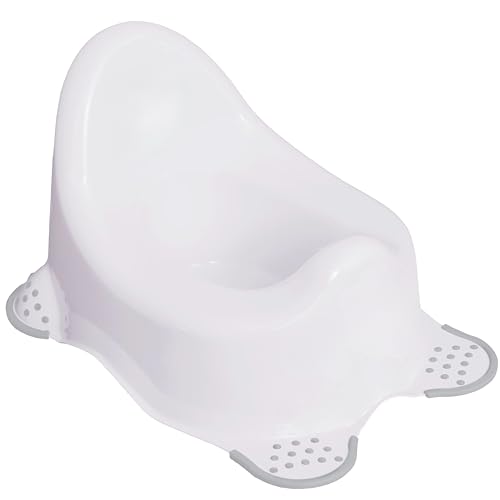
Traditional potties are standalone units that your child can use independently. They often come in various designs and colors, making them appealing to young children. In 2026, many traditional potties feature ergonomic designs that provide comfort and stability. When selecting a traditional potty, consider the following:
- Height and width suitable for your child
- Stability to prevent tipping
- Ease of cleaning and emptying
- Fun designs that encourage use
For example, a potty that resembles a favorite cartoon character may motivate your child to engage in potty training more willingly. This engaging aesthetic can play a crucial role in their willingness to use the potty regularly.
Potty Seats
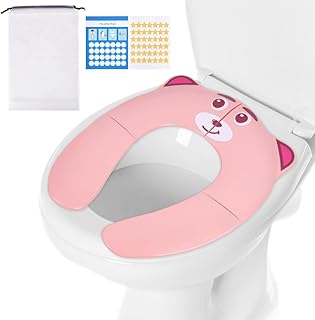
Potty seats fit onto regular toilets, allowing your child to use the family toilet. This option can be beneficial as it prepares your child for using the big toilet in the future. In 2026, many potty seats are designed with safety features, such as non-slip grips and built-in handles for easy access. Here are some advantages of potty seats:
People Also Look For:
- ZENO Potty Toilet Seat | Potty Training Seat | Adjustable Baby Child Toddler Kid Toilet Trainer with Step Stool Ladder for Boy and...
- FOVERN1 Travel Potty for Toddlers, Portable and Foldable Potty Training Toilet Seat for Kids, Training Toilet Seat for Boys Girls ...
- Jool Baby Products - Child Potty Training Chair for Boys and Girls, Handles & Splash Guard - Comfortable Seat for Toddler (Pink)
- Warmiehomy Portable Travel Potty for Toddlers Kids Baby Foldable Potty Training Toilet Seat for 1-4 Years Boys Girls Indoor Outdoo...
- Travel Potty for Toddlers, Portable Potty for Toddlers Foldable Kids Training Toilet Seat for Boys Girls Baby Carry Potty Children...
- Encourages transition to adult toilets
- Space-saving design
- Familiarizes child with regular toilet usage
- Often more cost-effective than standalone potties
When selecting a potty seat, ensure it fits securely on your toilet and consider the height of the seat to ensure comfort. A child who feels secure and safe is more likely to engage positively with the training process.
Features to Look For in 2026
Modern potties now come equipped with various features designed to enhance the potty training experience. Understanding these features can aid in making an informed choice.
Comfort and Design
In 2026, comfort is paramount when choosing a potty. Look for padded seats or ergonomic shapes that provide support. The design should also be appealing to your child, fostering a sense of excitement around using the potty. Bright colors and fun themes can transform the potty into an inviting space.
Portability and Storage
Portability is another crucial feature, especially for families on the go. In 2026, many potties are designed to be lightweight and collapsible, making them easy to transport. When you are out and about, having a portable potty can prevent accidents and ensure your child feels comfortable. Consider options that can easily fit in your bag or car.
Understanding Your Child's Readiness
In 2026, understanding your child's readiness for potty training is essential. Each child is unique, and readiness can vary significantly. Signs of readiness include showing interest in the potty, staying dry for longer periods, and communicating their needs. Pay attention to these signs and choose a potty that matches their development stage.
Age Appropriateness
Different potties cater to various age groups. Ensure that the potty you choose is suitable for your child's age and size. For instance, a potty designed for toddlers may not provide the necessary support for a preschooler. In 2026, many manufacturers specify the age range on their products, helping you make an informed choice.
Tips for Successful Potty Training in 2026
To maximize the effectiveness of your potty training efforts, consider the following strategies:
- Establish a routine that encourages regular potty visits.
- Use positive reinforcement, such as praise or rewards, to motivate your child.
- Be patient and avoid pressure, as each child learns at their own pace.
- Utilize books or videos that discuss potty training to make it relatable.
Incorporating these strategies can create a supportive environment that fosters learning and reduces anxiety around potty training. When your child feels supported, they are more likely to embrace the process.
Conclusion
As you navigate the world of potty training in 2026, remember that choosing the right potty is a crucial first step. With various types, features, and considerations, you can ensure that your child has a comfortable and successful experience as they transition from diapers to using the toilet. By understanding your child's needs and preferences, you can select a potty that not only meets their requirements but also encourages a positive attitude toward this important milestone.