Choosing Right Baby Potty for Your Toddler in 2026
As parents navigate the pivotal phase of potty training, selecting the right baby potty for your toddler in 2026 is crucial. The market now offers a plethora of options, each designed to cater to the unique needs of toddlers and their caregivers. Understanding the essential features, materials, and designs can significantly influence the potty training experience, making it smoother and more effective.
Key Features to Consider
When choosing a baby potty, several factors should be prioritized to ensure comfort and effectiveness. In 2026, the emphasis on safety, comfort, and ease of use has never been greater. Parents should look for potties that are made from non-toxic materials, ensuring the health and safety of their toddlers.
One of the first factors to consider is the height of the potty. A potty that is too high or too low can discourage your child from using it. Many brands now offer adjustable height features, allowing the potty to grow with your child. This adaptability is particularly beneficial as toddlers grow rapidly. Additionally, the seat should be comfortable and ergonomically designed to encourage proper posture.
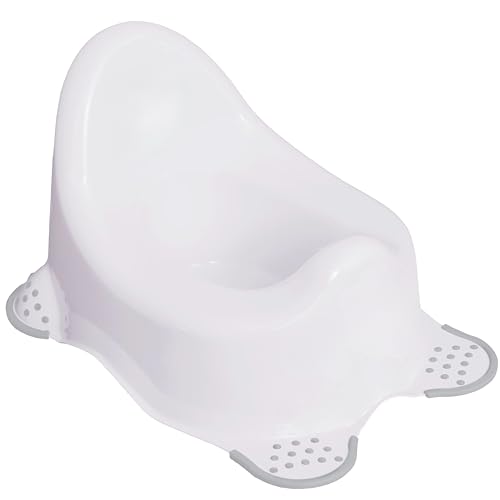
Another essential feature is stability. A potty that tips over can create a negative association with potty training. In 2026, many products come equipped with non-slip bases or wider bases for added stability. This prevents accidents and helps toddlers feel secure while using the potty.
Portability and Storage
For parents who are always on the go, portability is another important aspect to consider. Many potties in 2026 are designed to be lightweight and compact, making them easy to transport. Some potties even come with carrying handles, allowing you to take them along on trips or outings.
Storage is equally important, especially in homes with limited space. Consider potties that can be easily stored away when not in use. Many manufacturers have designed foldable or stackable options, ensuring that your living space remains organized while still being functional.
People Also Look For:
- Potty Training Seat Toilet Baby Kids Foldable Toddler Toilet Seat Ladder Adjustable Height Toilet PU Cushion Splash Guard Anti-Sli...
- Orzbow Adjustable Potty Training Toilet Seat with Steps,Stable Toddler Toilet Seat and Step w/Triangle Structure,Extended Pedal & ...
- Straame Toddler Toilet Ladder Seat - Adjustable Potty-Training Seat, Soft Cushion Seat and Anti-Slip Steps Design - Easy to Instal...
- Lyefancy Kids Potty Training Toilet, Toddler Potty Training Seat for Boys Girls Age 1-5, Frog Baby Potty Chair, Portable Travel Po...
- Potty Training Toddler Toilet, Baby Potty Chair Toilet Seat for Kids Boys Girls for Toddlers with Splash Guard Non-Slip Removable ...
Design and Aesthetic Appeal
In 2026, aesthetics play a significant role in product selection. Parents often seek potties that not only function well but also match their home decor or appeal to their child's preferences. Bright colors and fun designs can make potty training more engaging for toddlers. Many brands offer themed potties featuring popular cartoon characters or vibrant patterns that can excite children about using the potty.
Furthermore, some designs come equipped with fun sound effects or lights, turning the act of using the potty into a rewarding experience. This can be particularly effective in motivating toddlers who may be hesitant to transition from diapers.
Ease of Cleaning
Cleaning is an inevitable part of potty training. In 2026, the best baby potties are designed for easy cleaning. Look for models that have removable inner bowls, allowing for quick disposal and washing. Smooth surfaces without too many crevices also make cleaning simpler and more efficient.
Additionally, consider potties that are made from materials that resist staining and odor retention. This ensures that the potty remains fresh and hygienic even after multiple uses, which is essential for maintaining a pleasant bathroom environment.
Choosing Between Potty Chairs and Attachments
Parents often debate whether to use a standalone potty chair or an attachment for the regular toilet. Each option has its benefits, and the choice largely depends on your child's comfort level and your household dynamics. Standalone potties are generally easier for toddlers to use independently, promoting self-sufficiency. They offer a secure and familiar environment, which can be particularly beneficial during the initial stages of potty training.
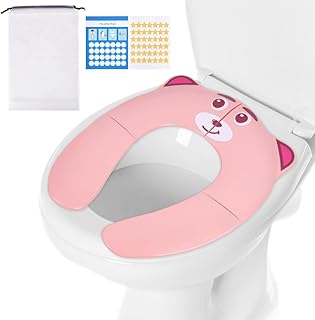
On the other hand, toilet attachments can help acclimate your child to using the family toilet, preparing them for the transition away from potties. In 2026, many toilet seat attachments are designed to mimic the feel of a regular potty seat, making them appealing to toddlers.
Scenario Based Examples
Consider a scenario where a toddler named Mia is introduced to potty training. Her parents opt for a colorful potty chair with a removable bowl and fun sound effects. Mia is initially apprehensive, but the engaging design captures her attention. After a few successful attempts, Mia begins to associate using the potty with positive reinforcement, leading to a smoother transition.
Conversely, another family decides to use a toilet attachment. Their son, Leo, is intrigued by the idea of using the big toilet but initially struggles with the height. They address this by providing a sturdy step stool that helps him reach the toilet comfortably. This combination of a toilet attachment and step stool not only makes Leo feel safe but also builds his confidence.
Supporting Your Child Through Potty Training
Potty training is not just about the right equipment but also involves emotional support and encouragement. Positive reinforcement plays a vital role in motivating toddlers during this transition. In 2026, many parents are opting for reward systems where toddlers receive stickers or small treats for successful attempts.
Creating a routine is also beneficial. Regularly scheduled potty breaks can help establish a habit, making the process feel more structured. Engaging in playful activities or reading books during potty time can alleviate anxiety and make the experience enjoyable.
Moreover, open communication is essential. Encouraging your child to express their feelings about potty training can help address any fears or concerns they may have. Using simple language and being patient with their progress fosters a positive environment.
Ultimately, the journey of potty training in 2026 is a collaborative effort between parents and toddlers. By carefully selecting the right potty and providing emotional support, caregivers can make this significant milestone an empowering experience for their children.
As you navigate through the myriad of options available, remember to keep your child's preferences and comfort at the forefront. The right choice can make all the difference in achieving successful potty training.