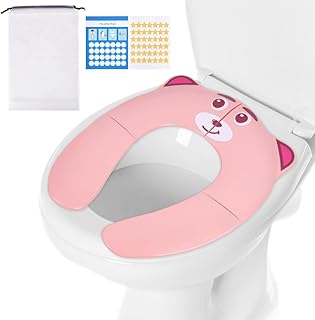
Avoid Common Baby Potty Training Mistakes in 2026
Potty training in 2026 is a significant milestone for both parents and children. As the landscape of parenting evolves, so do the techniques and strategies that can lead to successful potty training. This year, understanding the common mistakes and how to avoid them can make the process smoother and less stressful for everyone involved. From choosing the right time to encouraging independence, this guide will delve into the common pitfalls parents encounter and provide expert advice on navigating this crucial phase.
Understanding the Right Timing for Potty Training
One of the most critical aspects of successful potty training in 2026 is timing. Every child is unique, and determining the right moment can be tricky. It is essential to look for signs of readiness rather than adhering to a strict timeline. Signs include showing interest in the toilet, staying dry for extended periods, and communicating the need to go. Ignoring these cues can lead to frustration and setbacks.
In 2026, many parents are turning to technology to assist with monitoring their child's readiness. Apps that track developmental milestones can provide valuable insights into when to start potty training. These tools help parents gauge not only physical readiness but also emotional and cognitive signs. By aligning training with the child's natural development, parents can foster a more positive experience.
Avoiding Pressure and Stress During Training
Another common mistake in potty training is applying too much pressure on the child. Stress can lead to resistance and anxiety around using the toilet. In 2026, experts recommend a gentle approach that prioritizes encouragement over coercion. For instance, parents can create a positive atmosphere by celebrating small successes and using positive reinforcement.
Offering rewards can significantly enhance motivation, but it is vital to ensure that the rewards are appropriate and not overly extravagant. Simple praise or a sticker chart can be effective in promoting a sense of achievement. Moreover, maintaining a relaxed attitude during accidents is crucial. It is essential to reassure the child that mistakes are part of the learning process, which helps build their confidence.
Choosing the Right Equipment for Potty Training
In 2026, the market for potty training products has expanded significantly, offering a variety of options that cater to different needs. Selecting the right equipment can make a notable difference in the training experience. Parents should consider factors such as comfort, accessibility, and the child’s preferences when choosing a potty chair or toilet seat.
People Also Look For:
- Frida Baby Fold-and-Go Potty Seat | Folding Travel Potty Seat for Boys and Girls, Fits Round & Oval Toilets, Non-Slip Base, Handle...
- Kidoola 2-in-1 Toddler Potty Training Toilet Seat with Ladder, Portable Kids Toilet Seat with Splash Guard, Non Slip Toilet Potty ...
- Baby Potty Toilet Training Toddler Re-usable Plastic Easy Clean Lightweight Girls White
- Traning, Dinosaur Toilet Seat for Baby Boys Girls Toddler, Comfortable Potty Chair for Ages 1-6 with Removable Urinal Pot, Splash ...
- Hibtn Kids Potty Training Seat with Steps, Adjustable Toddlers Potty Toilet Trainer, Kid Baby Toilet Ladder Seat, Folding Children...
When shopping for potty training gear, aim for products that provide stability and ease of use. Some parents opt for potty chairs designed with fun themes or colors to engage their children. Others prefer an adapter for the regular toilet, which can help children feel like they are using an adult toilet. Involving the child in the selection process can empower them and increase their willingness to embrace potty training.
Implementing a Consistent Routine
Creating a consistent routine is essential for successful potty training. In 2026, parents are encouraged to establish a schedule that aligns with their child's natural bathroom habits. Regularly scheduled potty breaks can help reinforce the connection between the urge to go and using the toilet. Parents should observe their child's patterns and try to encourage bathroom visits during these times.
It is also helpful to incorporate potty training into daily activities. For example, parents can designate specific times for bathroom visits after meals or before bedtime. Consistency helps the child understand what is expected and reduces confusion. Additionally, involving caregivers or family members in the routine ensures that everyone is on the same page, promoting a supportive environment.
Using Positive Language and Encouragement
The words used during potty training can significantly influence a child's attitude towards the process. Encouraging language fosters a positive mindset and builds confidence. In 2026, parents are advised to use phrases that emphasize the child’s capability rather than focusing on potential failures. Instead of saying, "You did not make it to the toilet," try saying, "You are learning how to use the toilet, and that is great!"
Engaging in conversations about potty training can also be beneficial. Reading books related to potty training or watching educational videos together can demystify the experience and make it less intimidating. These resources often present relatable scenarios and success stories that can inspire children.
Recognizing Individual Differences
Every child is different, and what works for one may not work for another. In 2026, it is essential for parents to be adaptable and flexible in their approach to potty training. Some children may take longer to adjust, while others may excel quickly. Understanding individual differences helps parents remain patient and supportive throughout the process.
It is crucial to avoid comparisons with other children. Comparing progress can lead to unnecessary pressure and anxiety for both the parent and the child. Instead, focus on celebrating individual milestones, no matter how small they may seem. Documenting progress can also serve as a source of motivation and encouragement.
Addressing Setbacks Calmly
Setbacks are a natural part of the potty training journey. In 2026, it is vital for parents to approach these situations calmly and without frustration. Whether it is a regression or a refusal to use the toilet, maintaining a level-headed attitude can help the child feel secure. Acknowledging their feelings and providing comfort during these times reinforces the idea that it is okay to have challenges.
Parents can employ various strategies to address setbacks. Using humor can lighten the mood, while revisiting what has been learned can help the child feel more confident. Engaging in discussions about feelings and fears can also provide insights into what may be causing anxiety around potty training. Understanding these emotional aspects is key to navigating the path forward.
Exploring Potty Training Tools
As technology continues to play a role in parenting, various tools are available to assist with potty training in 2026. Smart toilets and potty training apps offer features that track progress and provide reminders. These tools can be beneficial for tech-savvy families looking for innovative ways to enhance the potty training experience. However, it is essential to remember that the core of potty training is the emotional connection between parent and child.
When integrating technology, ensure it complements traditional methods rather than replaces them. Real-life interactions and encouragement remain irreplaceable components of the training process. Parents should ensure they balance tech usage with hands-on guidance and support.
Understanding the Role of Patience and Persistence
Patience is a virtue that will serve parents well throughout the potty training process. In 2026, maintaining a persistent yet understanding approach is crucial. It is common for children to have off days or regress after initial successes. Parents should remind themselves that this journey takes time and that every child will progress at their own pace. Celebrating the journey, rather than focusing solely on the end goal, can foster a more enjoyable experience.
By remaining committed to a supportive and patient approach, parents can help their children navigate the complexities of potty training. This commitment to understanding and adaptability creates a positive atmosphere where children feel safe to explore their independence. As they grow through this experience, the lessons learned will extend beyond the bathroom, influencing their confidence and self-sufficiency for years to come.